27 Jun 2026
Mobile Gaming Evolution: Dealer Interactions That Streamline Casino Play on Small Screens
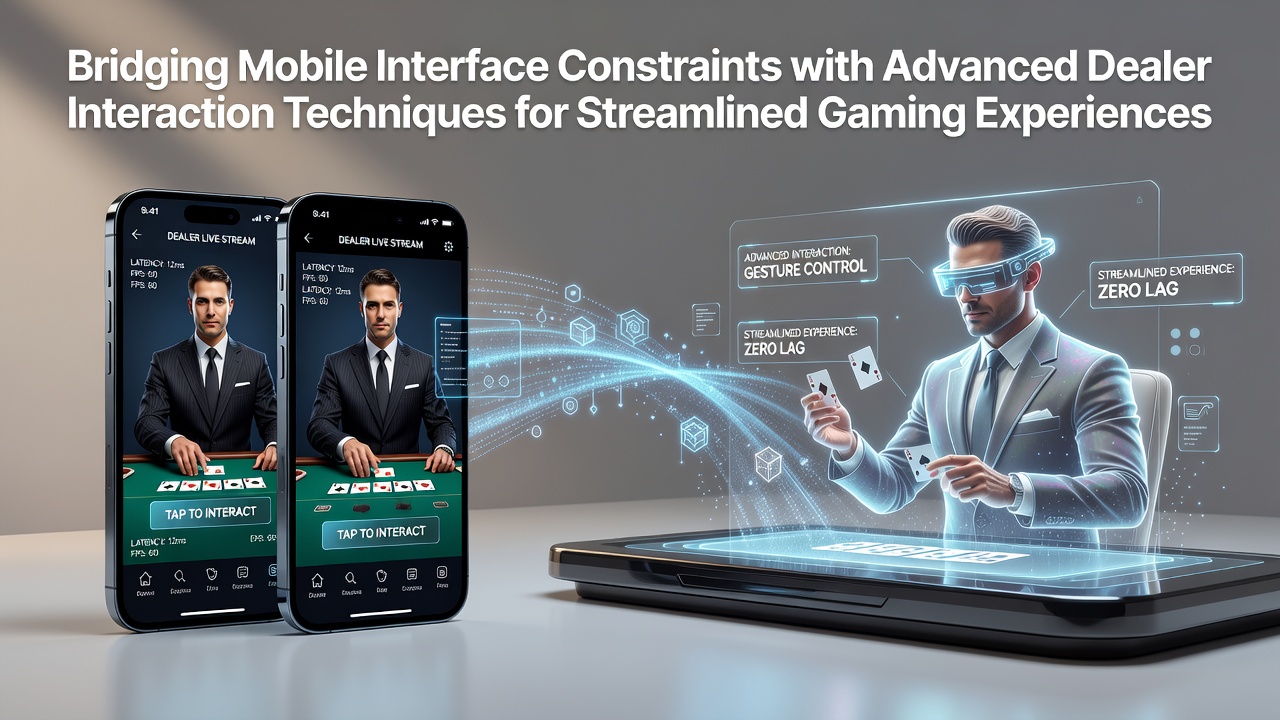
Live dealer platforms continue to adapt as mobile devices dominate player access across global markets and interface limitations like screen size along with touch precision create ongoing challenges for seamless engagement. Developers respond by refining how dealers interact through enhanced video feeds and synchronized controls that reduce friction during betting rounds while maintaining regulatory compliance in multiple jurisdictions.
Understanding Core Mobile Constraints in Live Dealer Settings
Small displays limit the visibility of card layouts and betting options at once so players often scroll or zoom which interrupts flow during fast-paced games like blackjack or roulette. Touch input introduces errors when users select chips or place wagers under time pressure whereas desktop setups allow precise mouse clicks without such issues and data from industry analyses shows mobile sessions average shorter durations due to these navigation hurdles.
Network variability compounds the problem because live streams demand consistent bandwidth yet players in transit encounter drops that freeze dealer feeds and disconnect audio cues essential for reading game pace. Observers note that operators address this through adaptive streaming protocols which lower resolution dynamically without halting play entirely and these adjustments keep sessions viable even on variable connections.
Advanced Techniques Reshaping Dealer Interactions
Gesture-based controls now allow players to swipe or tap specific zones that trigger predefined actions such as doubling down or spinning the wheel while visual overlays guide finger placement to minimize misfires. Dealers receive real-time prompts on their end to pause briefly or highlight table areas matching mobile user inputs and this coordination creates a more responsive loop between human element and device interface.
Augmented reality elements overlay dealer actions onto the player's camera view in select applications which bridges the gap between physical table presence and digital portability. Studies from research institutions indicate that such integrations increase session retention when players feel closer to the action despite hardware limits and testing continues into mid-2026 with updates expected around June that refine gesture accuracy further.
Implementation Across Platforms and Regulatory Landscapes
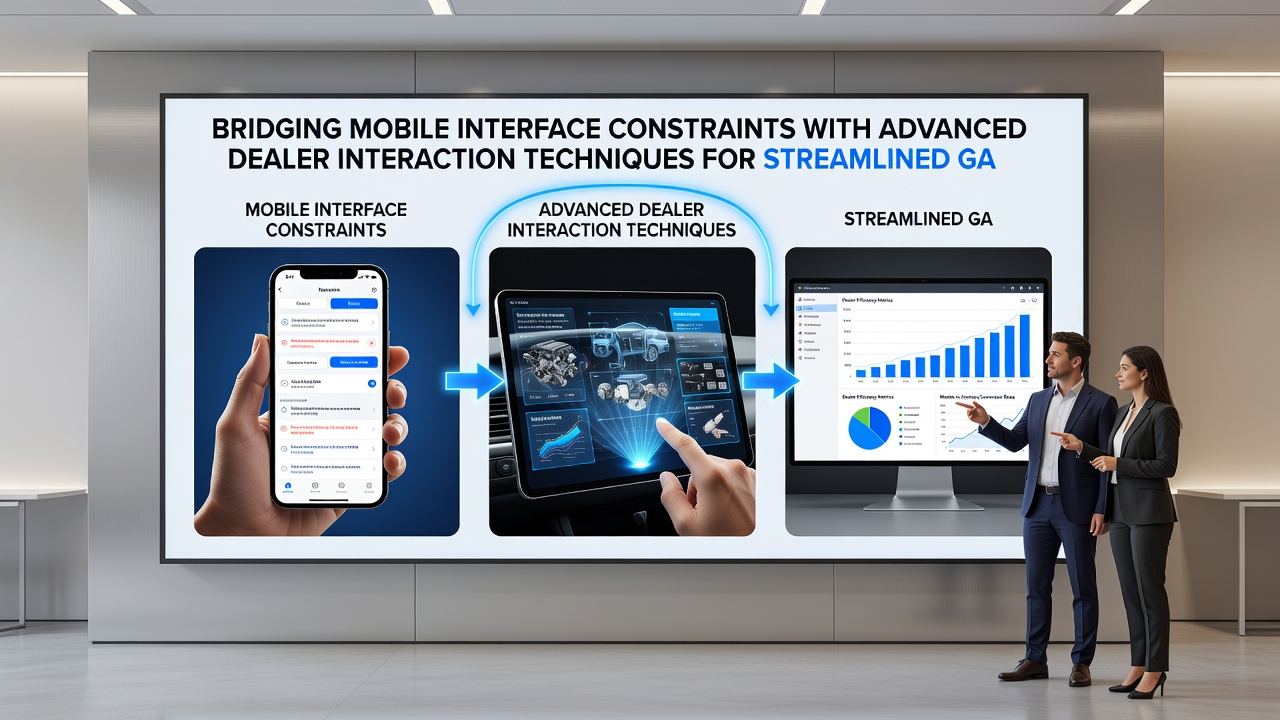
European operators integrate these methods under frameworks set by bodies like the Malta Gaming Authority which emphasizes fair play mechanics and transparent interfaces while Australian regulators through the Northern Territory Racing Commission require similar standards for cross-border mobile access. North American examples from the Nevada Gaming Control Board highlight testing protocols that verify dealer synchronization tools do not introduce delays exceeding acceptable thresholds during peak loads.
One case involved a platform that deployed multi-angle dealer cameras synced to mobile gyroscopes allowing users to tilt devices for alternate table views and this feature reduced complaints about obscured elements according to aggregated user feedback reports. Another development incorporates voice commands processed through dealer software that confirms bets aloud which helps when touch screens prove unreliable in outdoor environments.
Measuring Impact on Player Engagement and Operational Efficiency
Figures from gaming associations reveal that platforms adopting advanced dealer interaction layers report up to 25 percent longer average mobile session times compared to standard setups and these gains stem from fewer interruptions plus quicker resolution of input conflicts. Operational costs drop as fewer support tickets arise from interface frustrations while dealer training programs now include modules on mobile-specific pacing adjustments.
What's interesting is how these techniques scale across game types because poker tables benefit from fold gesture shortcuts whereas baccarat rounds gain from auto-confirm options that dealers monitor for consistency. Data shows hybrid models combining human oversight with automated assists maintain integrity without replacing the live component that players seek in these formats.
Future Directions in Streamlined Mobile Casino Experiences
Integration with emerging hardware such as foldable screens and improved haptics promises additional refinements where dealers can send subtle vibration cues to signal betting windows or wins. Collaborative efforts between software firms and hardware manufacturers focus on standardizing protocols so experiences remain consistent regardless of device brand or operating system variations.
Academic papers from university gaming labs explore biometric feedback loops that adjust dealer speed based on detected player hesitation patterns though widespread rollout depends on privacy frameworks already established in key markets. Those who've studied adoption trends observe steady progress toward interfaces that feel less constrained and more intuitive over successive updates.
Conclusion
Bridging mobile interface constraints requires ongoing alignment between dealer protocols and device capabilities yet current advancements demonstrate measurable progress in creating fluid experiences. As techniques evolve through 2026 and beyond platforms continue to prioritize synchronization that respects both regulatory demands and user expectations across diverse regions.