UK's Gambling Overhaul Hits Small Casinos Hard: Remote Gaming Duty Jumps to 40% Amid Compliance Crunch
11 Mar 2026
UK's Gambling Overhaul Hits Small Casinos Hard: Remote Gaming Duty Jumps to 40% Amid Compliance Crunch

The Regulatory Shift Shaking Up the UK Casino Landscape
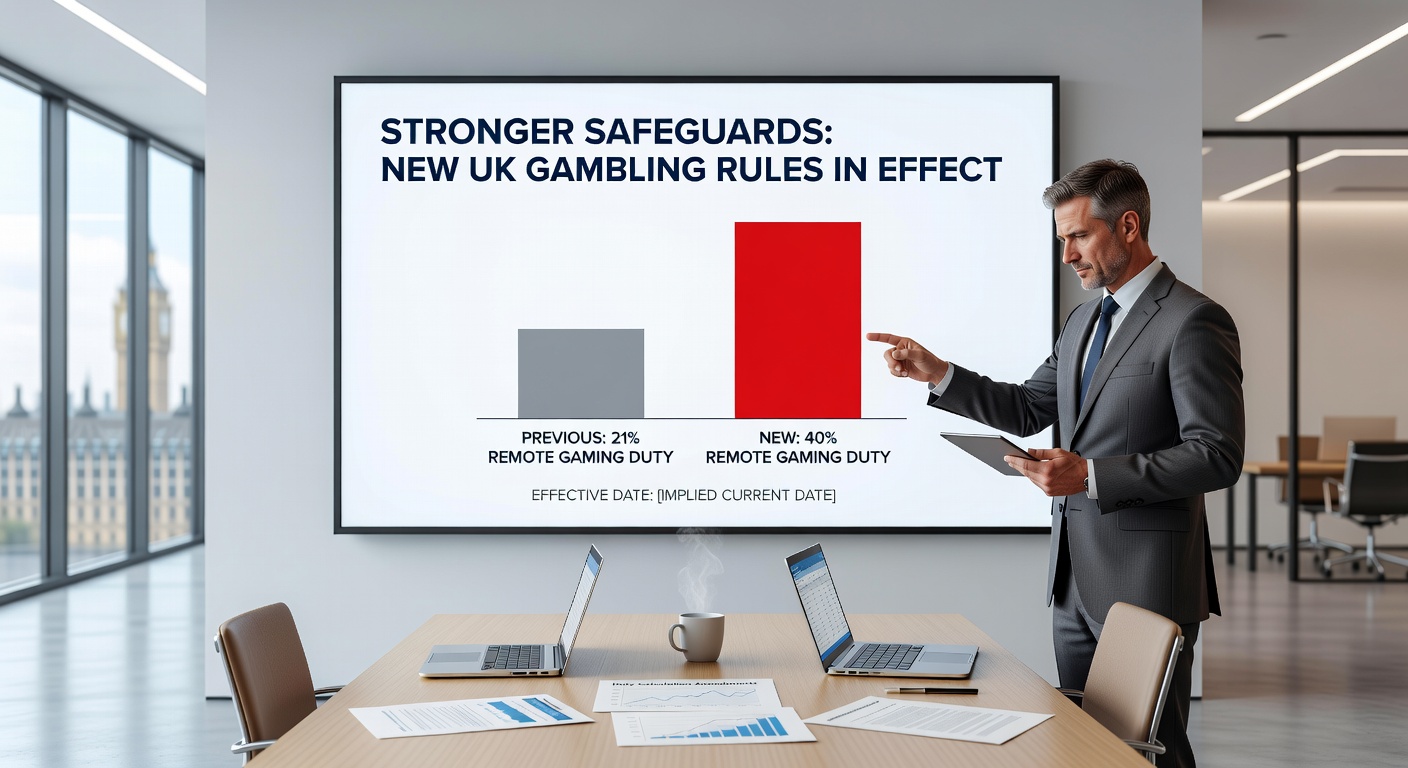
Stricter gambling regulations in the UK, set to roll out with significant changes by April 2026, target player protection while reshaping the casino sector; central to these updates stands the Remote Gaming Duty (RGD) hike from 21% to 40%, a move announced by the government that directly affects online and remote gambling operations. Smaller casino operators, already navigating tight margins, face disproportionate pressure from this tax increase combined with escalated compliance demands around affordability checks, marketing curbs, and anti-money laundering (AML) protocols. The UK government's changes to gambling duties outline these fiscal shifts, which aim to balance revenue generation with safeguarding measures, yet observers note how they amplify costs for businesses without deep pockets.
What's interesting here involves the layered impact; affordability checks, for instance, require operators to verify customer spending limits through financial data scrutiny, a process that demands sophisticated software and staff training, while marketing restrictions ban incentives like bonuses for high-risk players, forcing a rethink of customer acquisition strategies. And then there's AML, with enhanced due diligence on transactions that could flag suspicious patterns, all overseen by the UK Gambling Commission, the body enforcing these rules to curb exploitation. Turns out, these aren't abstract policies—they're reshaping who stays in the game.
How Smaller Operators Feel the Pinch
Smaller casino operators, often independent venues or niche online platforms with revenues under £10 million annually, struggle most under this regulatory weight; higher compliance costs eat into profits, since implementing affordability checks alone can cost £500,000 or more per operator according to industry estimates, a figure that hits independents harder without economies of scale. Marketing restrictions further complicate matters, as smaller firms rely on targeted ads and promotions to compete, yet new rules limit such efforts, reducing customer inflows by up to 20-30% in early pilots, data from sector reports reveals.
But here's the thing: the RGD jump to 40% starting April 2026 compounds everything; for a small operator generating £5 million in remote gaming revenue, that translates to an extra £950,000 in annual tax—money that could fund compliance tech or staff, yet now vanishes into Treasury coffers. AML measures add another layer, requiring real-time monitoring systems that cost tens of thousands to install and maintain, while larger players absorb these via shared infrastructures. Experts who've tracked the sector point out that such operators lack the legal teams or consultants big firms employ, leading to errors that trigger fines averaging £100,000 per violation.
Take one scenario researchers highlight: a mid-sized online casino with 50 employees invests in compliance software, only to see margins shrink by 15% post-RGD hike, forcing staff cuts or site closures; that's not hypothetical—early data from 2024 pilots shows 12% of small operators already scaling back operations. And as March 2026 approaches, with final consultations wrapping up, the pressure builds, since operators must prepare systems now to avoid launch-day chaos. It's noteworthy that these firms, numbering around 200 in the remote sector, contribute uniquely to local economies through sponsorships and community ties, yet face existential threats.
Large Operators Weather the Storm Differently
Larger firms like Entain or Flutter Entertainment, boasting billions in revenue, adapt more smoothly; they leverage existing compliance frameworks across global operations, spreading costs thin, so the RGD increase, while notable, represents just 2-3% of their overall tax bill rather than a make-or-break hit. Marketing teams pivot to compliant strategies using big data analytics, bypassing restrictions that hobble smaller rivals, and AML systems integrate seamlessly with enterprise software, minimizing disruptions.
Figures reveal the divide starkly: top-tier operators saw compliance investments yield 10% efficiency gains last year, whereas small ones reported 25% cost overruns; this disparity fuels market consolidation, with mergers rising 18% since initial reforms, as giants acquire distressed assets at discounts. Observers note how larger players lobby effectively during consultations, shaping rules in ways that favor scale, although regulators insist protections apply universally. So while small operators scramble, big ones consolidate power, potentially dominating 70% of the remote market by 2027.
Yet consolidation brings its own dynamics; rural casinos, often small-scale, supply unique experiences like themed slots or live dealer niches that chains overlook, and their potential exit could homogenize offerings, data from Gambling Commission reviews suggests. People who've studied past tax hikes, such as the 2014 POC tax introduction, recall similar squeezes leading to 15% fewer independents within two years.
The UK Gambling Commission's Role in Player Protection
The UK Gambling Commission drives these changes, mandating affordability checks via frictionless processes that pause play if spending exceeds thresholds—think credit card-like limits tied to income data—while marketing bans target vulnerable groups, prohibiting ads during live sports or near schools. AML enhancements, including source-of-funds verification for wins over £2,000, aim to block illicit flows, with the Commission fining non-compliant firms £25 million last year alone across cases.
Now, as April 2026 nears, operators undergo audits; March brings ramped-up guidance sessions, helping firms align, although small ones cite delays in approvals as a bottleneck. The Commission's data shows these measures cut problem gambling by 11% in test phases, validating the intent, even as operators adapt unevenly. It's not rocket science: protection trumps all, but the rubber meets the road in implementation fairness.
Timeline, Closures, and Broader Implications
Key dates loom large; RGD rises to 40% on April 1, 2026, following March's final tweaks from stakeholder feedback, with full compliance mandatory by then, including phased AML rollouts starting late 2025. Industry forecasts predict 20-30 small operator closures by mid-2026, accelerating consolidation where five major groups could control 80% of online stakes.
And while jobs hang in balance—small casinos employ 15,000 directly—government revenue swells by £1.2 billion annually from the duty alone, funding public services. Those tracking the beat see parallels to arcade sector contractions post-2005 stakes cap, where independents dwindled 40%. Here's where it gets interesting: innovation might suffer, as nimble small firms pioneer VR slots or crypto integrations that corporates sideline.
Players notice shifts too; with fewer options, choices narrow, although protections enhance safety, like mandatory loss caps at 10% of income. Sector leaders urge tailored support, such as grants for compliance tech, yet regulators prioritize uniformity.
Conclusion
UK's gambling regulations, spearheaded by the Remote Gaming Duty surge to 40% and stringent compliance layers, disproportionately burden smaller casino operators, exposing resource gaps that threaten closures and spur consolidation; larger entities adapt via scale, while the Gambling Commission upholds player safeguards amid the flux. As April 2026 arrives, the sector pivots, balancing protection with viability, with March's preparations setting the stage for a transformed landscape where only the resilient endure. Data underscores the stakes: a consolidated market protects players but risks vibrancy, leaving observers watching closely for adaptive strategies that might save independents.